
Barometric pressure is one of those subjects anglers either overrate or ignore.
Some blame it for everything. Some dismiss it completely. Both approaches miss the point.
Pressure changes do matter, but not in the simple way they often get talked about on the bank. Carp do not stop feeding just because the air pressure is “high,” and they do not automatically switch on because it is “low.” What usually matters more is the wider weather picture around the pressure: stability, cloud cover, wind, temperature change, oxygen levels, water movement, and whether the fish actually feel comfortable enough to move and feed.
That is the real issue.
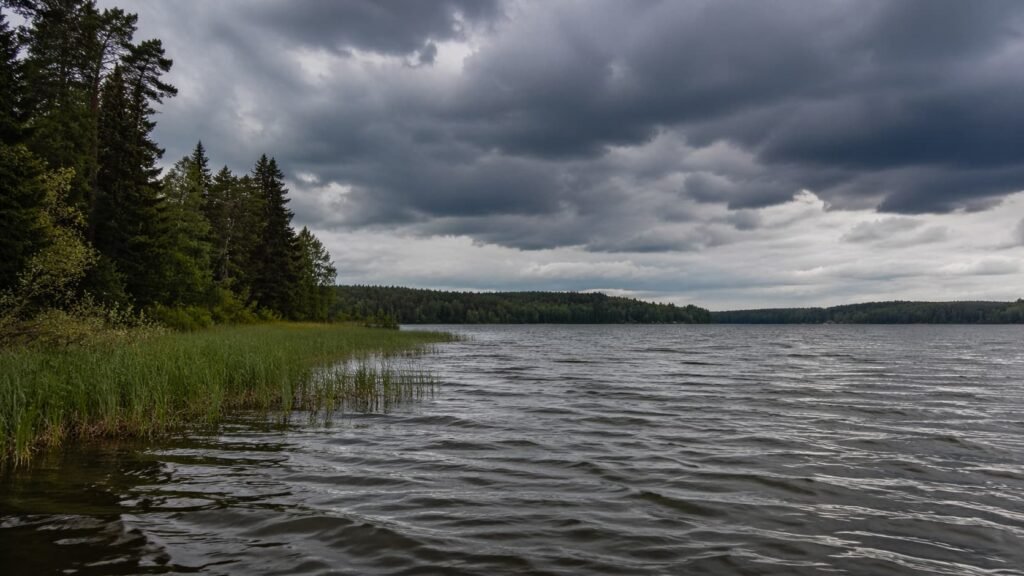
A falling pressure system often brings cloud, wind, warmth, and changing conditions that can encourage movement and feeding. A high-pressure system often brings clear skies, bright light, stillness, sharp nights, and exposed-feeling water that can make carp more cautious. But even that is not a fixed rule. A stable high can fish very well in the right season, and a messy low can still produce poor angling if the fish are unsettled or simply not in your area.
For Michigan carp anglers, this matters a great deal because our weather changes quickly. Cold fronts, spring warm-ups, bright high-pressure spells, summer storms, windy big-lake conditions, and clear inland waters can all shift carp behaviour fast. If you understand how pressure and fronts actually affect fish, you stop chasing myths and start reading the lake properly.
Quick Start
- Barometric pressure matters, but pressure change usually matters more than the number itself
- Falling pressure often helps because it usually arrives with cloud, wind, warmth, and movement
- Rising or high pressure often makes carp more cautious, especially in clear bright water
- Weather fronts matter because they change the whole lake atmosphere, not just the air pressure
- Stable conditions are often easier to read than violent swings
- Before a front can be good, after a front can be hard, but neither is guaranteed
- In Michigan, temperature, wind, clarity, and location often matter as much as pressure itself
- Use pressure as part of the picture, not as the whole answer
What barometric pressure actually means to anglers
Barometric pressure is just the weight of the atmosphere pressing down around us.
Anglers often talk about it as if carp are reading a weather app and making decisions from a number. They are not. What carp respond to is the physical effect of the weather system moving over the lake.
That means pressure matters because it often travels with:
- changing wind
- changing cloud cover
- changing light levels
- changing air temperature
- changing overnight cooling
- changing water movement
- changing oxygen distribution
- changing fish confidence
So when anglers say, “pressure affects feeding,” what they often really mean is, “the changing weather pattern has changed how the lake feels.”
That is a much better way to look at it.
Pressure number versus pressure trend
This is where a lot of confusion starts.
Many anglers obsess over the actual pressure reading. They want to know if 29.8 is good, or if 30.2 is bad, or whether carp feed better under some perfect number.
That is usually the wrong focus.
The trend often matters more than the number:
- falling pressure
- rising pressure
- stable pressure
- sudden sharp change
- slow gradual change
A stable high can sometimes fish much better than a rapidly rising, harsh post-front high. A gentle low-pressure spell can be useful, but a violent system with crashing conditions can also scatter things badly.
So instead of chasing magical pressure numbers, ask:
- Is the pressure rising or falling?
- How fast is it changing?
- What weather is coming with it?
- How stable or unsettled is the lake becoming?
- Does this improve or worsen carp confidence in my chosen area?
That is far more practical.
Why falling pressure is often linked to good fishing
Falling pressure gets a lot of praise for a reason.
It often arrives with a combination of things carp tend to like:
- increasing cloud
- softer light
- warmer winds
- improved surface movement
- more cover on the water
- better daytime confidence
- more fish movement
That does not mean the falling pressure itself is a magic trigger. It means the whole pre-front atmosphere often suits carp better.
On many waters, especially pressured or clear ones, carp feel more comfortable moving and feeding when the lake becomes less bright, less still, and less exposed. That is why a pre-front spell can produce some very good fishing.
In Michigan, this often shows up clearly in spring and fall. A mild south or southwest wind, building cloud, slightly softer conditions, and a sense that the lake is waking up can all improve your chances before the front actually arrives.
Why high pressure gets blamed so often
High pressure often gets talked about as if it shuts the lake down.
That is too simple.
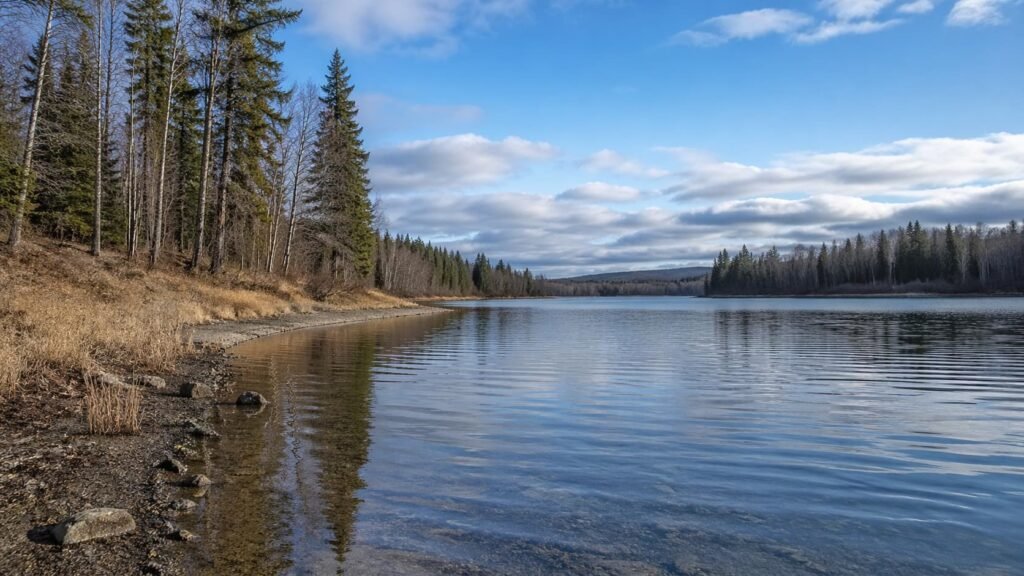
The reason anglers struggle in high pressure is usually because of the conditions that often come with it:
- bright skies
- clearer light
- still water
- sharp nights
- cooler mornings after a cold spell
- cautious fish
- more exposed-feeling shallow areas
On pressured waters, clear bright high-pressure conditions can make carp hold deeper, use more cover, feed more carefully, or confine their real feeding to smaller and shorter windows.
That does not mean they stop feeding. It means they often become harder to catch.
High pressure is especially awkward when it follows a front and arrives with a cold bright reset. The lake can feel emptied out, but the carp are usually still there. They just become tighter, more cautious, and more selective in where and when they feed.
Weather fronts matter more than pressure alone
This is the most important section on the page.
A front changes much more than the pressure reading.
It changes:
- wind direction
- wind strength
- cloud cover
- light penetration
- temperature
- overnight cooling
- oxygen movement
- surface disturbance
- carp confidence
- swim viability
That is why fronts matter so much in real angling.
Before the front
This is often the classic feeding period.
The lake feels alive. Carp may move more openly. The light softens. A useful wind may push food and temperature into certain areas. Fish that looked difficult under a flat bright sky can suddenly start showing or feeding.
This is where anglers often talk about fish “sensing a change.” There may be something in that, but practically speaking the important thing is that the whole lake often becomes more carp-friendly.
During the front
This can go either way.
Some fronts produce excellent fishing right through the change. Others create chaos. Strong storms, violent wind swings, crashing temperature, and heavy disturbance can make things messy even if the fish were active before.
After the front
This is where it often gets tough.
The classic post-front scene is colder, brighter, clearer, and less forgiving. Carp may still feed, but usually in a narrower, more cautious way. Location and timing become more important.
Pre-front carp behaviour
The phrase “pre-front feeding spell” gets used a lot, and often for good reason.
Before a front, carp may:
- patrol more confidently
- move onto shallower water
- use windward areas more heavily
- show more in open water
- feed in spots they ignored under flat bright conditions
- respond better to baiting
This is one of the best times to fish an area that already makes sense for location, food, and movement.
That point matters. Pre-front conditions do not make every swim good. They improve the lake mood, but you still need to be in the right part of the water.
That is why this subject always comes back to How to Locate Carp Before You Cast and Finding Carp in Big Lakes.
Post-front carp behaviour
The post-front period catches a lot of anglers out because the lake can look lovely and fish terribly.
A bright, crisp, calm morning after a front may feel pleasant to the angler, but it often leaves carp less willing to feed openly.
After a front, carp may:
- slip back into safer zones
- hold deeper or closer to cover
- use weed, pads, reeds, snags, or contours more tightly
- reduce the length of feeding windows
- feed better at dawn, dusk, or night than in full light
- inspect more carefully in clearer conditions
This is where patience and precision matter.
Instead of assuming the lake is dead, think about what has changed:
- Is the shallow water colder after a sharp night?
- Has a previously good margin become too exposed?
- Has the wind stopped helping?
- Has the water cleared?
- Are fish now using a nearby holding area instead of the feeding area you were targeting yesterday?
These are much better questions than simply saying “high pressure killed it.”
Pressure, light, and water clarity
Pressure effects often become more obvious when tied to clarity and light.
In clear water, bright high-pressure conditions can be hard because fish feel exposed. In slightly coloured or wind-stirred water, the same fish may feed more freely.
That is why Water Clarity & Light Penetration — Adjusting Your Approach links so closely to this subject.
A falling-pressure system with cloud and ripple may improve:
- margin confidence
- bait acceptance
- movement through open zones
- daytime feeding
A bright post-front high may reduce all of that.
Again, the pressure number is not working in isolation. It is changing the practical feel of the lake.
Pressure and daily feeding windows
Pressure and fronts often affect not only whether carp feed, but when they feed.
Under supportive pre-front conditions, you may find:
- longer daytime movement
- stronger late-morning or afternoon chances
- better dusk build-ups
- more fish using shallows earlier
Under hard post-front or high-pressure conditions, you may find:
- shorter feeding windows
- greater importance of dawn and dusk
- better night fishing than daytime fishing
- fish holding for long periods before making brief moves
That is why this topic overlaps heavily with Daily Activity Patterns. Pressure often reshapes the clock the fish are living by.
Wind and fronts — often the real key
If you want to use pressure well, pay close attention to the wind that comes with it.
A useful pre-front wind can:
- push warmer water
- push food
- create confidence
- colour up margins
- oxygenate certain areas
- position carp where they are easier to intercept
A dead calm post-front high can do the opposite.
This is especially important in Michigan on larger waters, where wind direction and water movement can transform a bank. A pressure change without understanding the wind is only half the story.
That is why Wind, Waves & Current — How Water Movement Drives Carp Location belongs next to this page, not separately from it.
Michigan Notes
Michigan carp anglers deal with weather that changes quickly enough to make old blanket rules unreliable.
A few practical points matter:
- spring warm fronts can transform a lake far more than the raw pressure number suggests
- cold post-front bluebird days are often difficult, especially after clear nights
- on clear inland lakes, bright high pressure often pushes fish into smaller safe zones
- on big natural waters, wind attached to a system can matter as much as the pressure trend itself
- summer storms may improve the lake mood before arrival but can also create too much disturbance if they turn violent
- fall can produce some very good pre-front fishing when carp are already on the move and feeding with more intent
How to use pressure in real session planning
Here is the practical way to use it.
Step 1 — Start with location
Always start with where carp should be, not what the barometer says.
Step 2 — Read the trend
Ask whether the weather is building, easing, stabilising, or crashing.
Step 3 — Match the weather to likely carp mood
Are conditions improving carp confidence, or reducing it?
Step 4 — Adjust the swim choice
Under a useful pre-front push, fish may use more open or shallower areas. Under a hard post-front high, they may need more security.
Step 5 — Adjust timing
A weather change may move the best chance from midday to dusk, from afternoon to overnight, or from shallows to a holding route.
Step 6 — Keep notes
Track:
- pressure trend
- wind direction
- temperature
- clarity
- fish showing times
- feeding windows
- capture times
Over time, your own lakes will teach you far more than general weather folklore.
Common Mistakes
Obsessing over the pressure number
Trend and lake feel usually matter more than one reading.
Calling all low pressure good
Some low systems help, some create too much chaos.
Calling all high pressure bad
Stable high pressure can still produce if you fish the right windows and zones.
Ignoring the front itself
Wind, cloud, light, and temperature often explain more than the pressure figure alone.
Fishing yesterday’s swim after a front
Carp often shift after conditions change.
Forgetting water clarity
A post-front clear-up can make the same area much harder than it was before.
FAQ
Do carp feed better in low pressure?
Sometimes, but usually because low pressure often comes with more helpful conditions like cloud, wind, and softer light.
Is high pressure always bad for carp fishing?
No. It can make carp more cautious, especially in clear bright conditions, but fish are still catchable if you adjust location, timing, and presentation.
Is the period before a front usually better than after it?
Often yes, especially when the pre-front conditions improve confidence and movement. But it is not guaranteed on every water.
What matters more, pressure or weather front?
The front. Pressure is part of the weather picture, but the front changes the whole lake atmosphere.
Why do post-front mornings often fish poorly?
Because they are often colder, clearer, brighter, and less forgiving, especially after sharp overnight cooling.
Should I move swims after a front?
Sometimes, yes. Carp may shift from feeding zones back into safer holding water, deeper edges, or cover.
Next Steps
Read How to Locate Carp Before You Cast first, because pressure only helps if you are already around fish.
Then read Wind, Waves & Current — How Water Movement Drives Carp Location to understand why so many pressure-driven changes really come through wind and water movement.
Follow that with Water Clarity & Light Penetration — Adjusting Your Approach and Daily Activity Patterns so you can match changing weather to feeding windows and carp confidence.
And keep it grounded with Carp Water Temperature Guide for Michigan Lakes, because Michigan carp often respond more sharply to temperature-linked weather changes than anglers first realise.