

How Carp Move in Lakes (Patterns Explained)
If you’re not catching carp, it’s usually not your rig or your bait.
It’s because the fish aren’t there.
Carp don’t sit still. They move — constantly — following food, temperature, light, and pressure.
Once you understand how carp move in lakes, you stop guessing and start intercepting them.
That’s the difference between blanking and catching consistently.
Quick Start
If you want the simple version:
- Carp follow food, warmth, and safety
- They move along routes, not randomly
- Most movement happens between resting and feeding areas
- Wind often pushes carp into certain areas
- The best anglers fish where carp will be — not where they were
Why Carp Move
Carp move for three main reasons:
1. Food
They’re constantly searching for:
- snails
- bloodworm
- insect life
If there’s food, carp will visit regularly.
2. Temperature
Carp prefer comfortable water:
- Warmer water = more activity
- Cold water = slower movement
In spring, even a 1–2 degree difference matters
3. Safety
Carp avoid:
- heavy disturbance
- noise
- pressure
They prefer:
- quiet margins
- low-pressure areas
- natural cover
The Three Main Movement Zones
Most lakes break down into simple zones.
1. Holding Areas
Where carp spend time resting:
- deeper water
- quiet zones
- away from pressure
These are NOT always feeding areas.
2. Feeding Areas
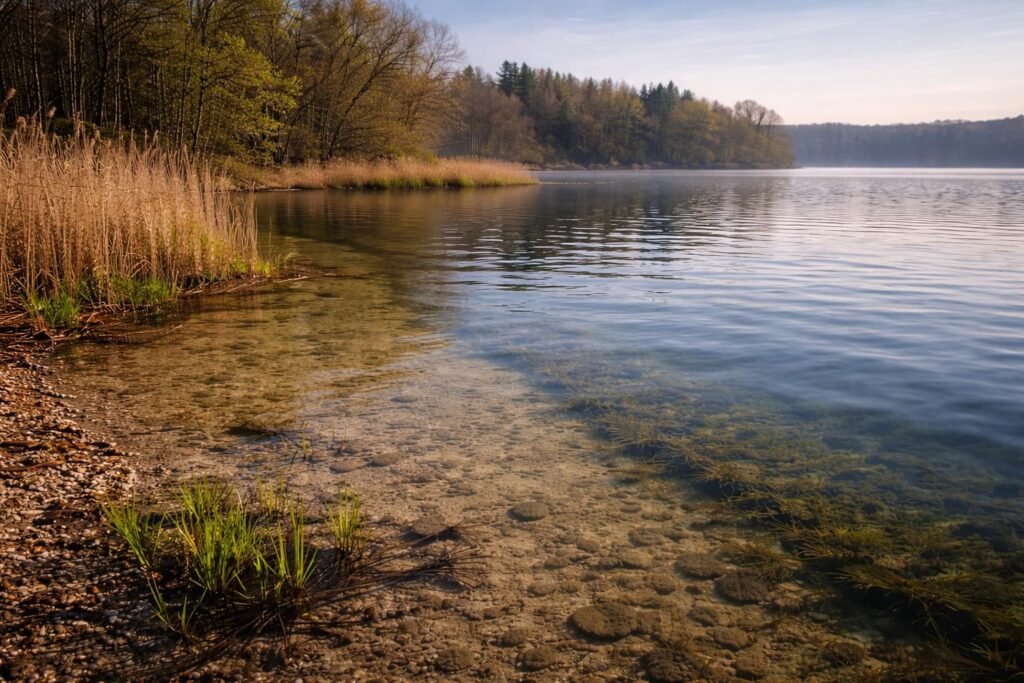
Where carp actively search for food:
- shallow flats
- weed edges
- silt beds
This is where you want your bait.
3. Travel Routes

The most overlooked part.
Carp move between areas using:
- drop-offs
- weed lines
- margins
- depth changes
These routes are often the best ambush points
Daily Movement Patterns
Carp movement changes through the day.
Morning
- Often found in shallow areas warming up
- Feeding lightly
Midday
- Can drift into slightly deeper water
- Less visible
Evening
- Move back into feeding zones
- Increased activity
Night
- Often feed confidently in:
- margins
- shallow flats
Many anglers miss this by packing up too early.
Wind Direction (Huge Factor)
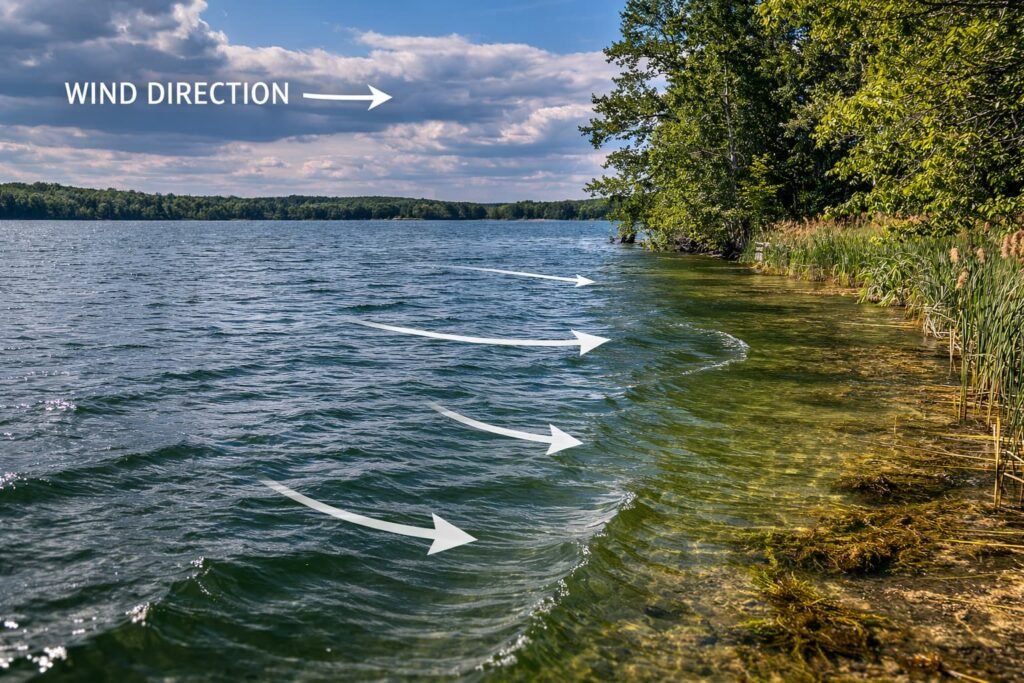
Wind is one of the biggest triggers in lake fishing.
Warm Wind
- pushes warm water
- carries food
- attracts carp
Fish the windward bank
Cold Wind
- can push fish away
- cools water
Sometimes better to fish sheltered areas
How to Spot Movement
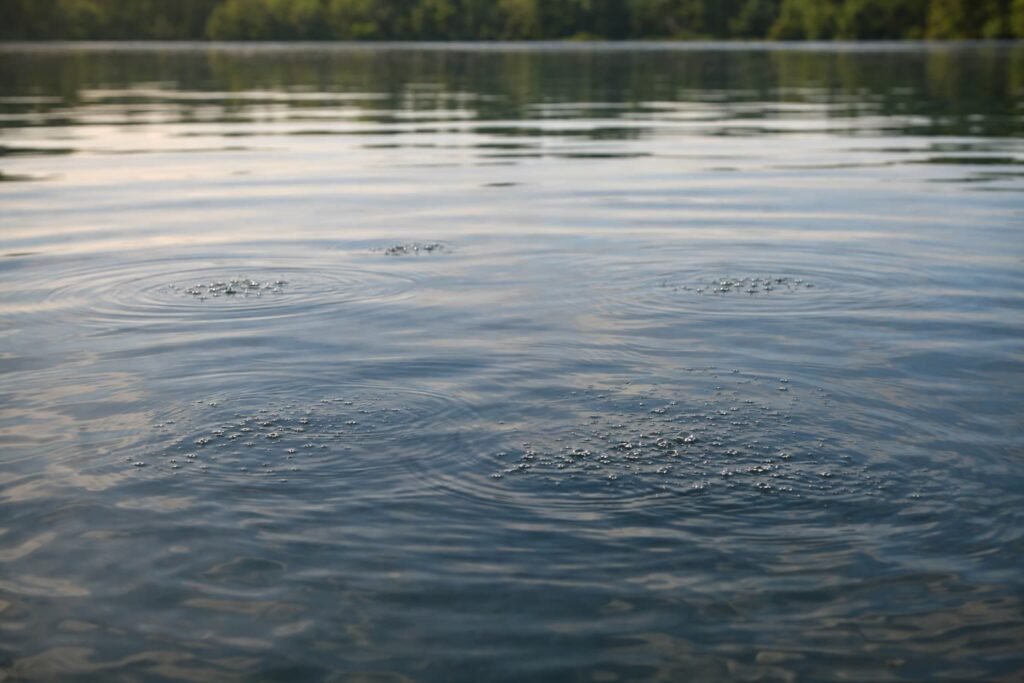
Look for signs:
- subtle bubbles (fizz)
- cloudy patches in water
- rolling fish
- shadows in margins
If you see movement — fish there.
Michigan Notes
- Northern Michigan lakes are often clear and natural
- Carp move more cautiously than in muddy waters
- Spring movement is often into shallow margins first
- Large lakes (like 500–1000 acres) require mobility and observation
Don’t sit still if you’re not seeing signs.
How to Use This on the Bank
Step-by-step:
- Walk the lake first
- Look for signs (bubbles, movement, fish)
- Identify:
- feeding areas
- routes
- Set up where carp are moving through
- Adjust if nothing happens
Common Mistakes
- Fishing the same spot all session
- Ignoring wind direction
- Casting to “nice looking water” instead of signs
- Staying too far out when fish are in margins
- Not moving when nothing is happening
FAQ
Do carp stay in one area?
No. They move regularly between zones.
What depth do carp prefer?
Varies — often 2–10 ft depending on conditions.
Does wind always help?
Warm wind usually does. Cold wind can hurt.
Should I move swims often?
Yes — especially if you’re not seeing activity.
Are margins important?
Yes. Often the most overlooked feeding zones.
Next Steps
Now you understand how carp move — apply it:
- Where to Fish for Carp in Spring (Finding Them Fast)
- How Carp Feed (Underwater Behavior Explained)
- Spring Carp Fishing Session Plan (Step-by-Step)