

Fermented bait liquids are one of the most misunderstood parts of carp bait. Some anglers treat them like magic bottles. Others dismiss them as hype. The truth is simpler.
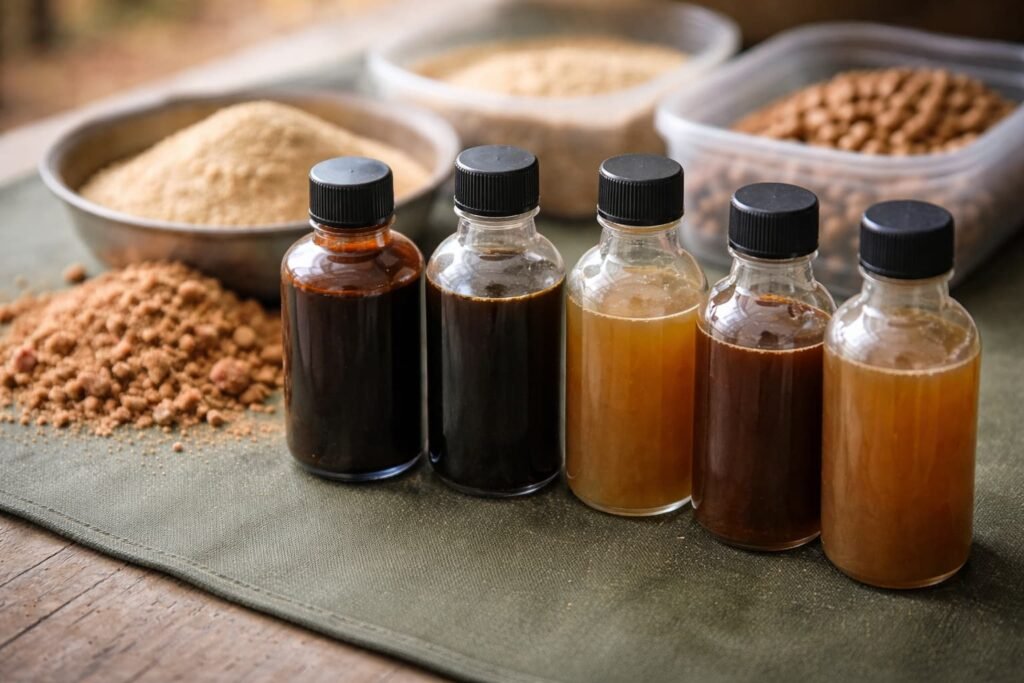
A good fermented liquid can help a bait smell more alive, taste more interesting, and leak useful signals into the water more quickly. That is the real value. Not miracles. Not rescue work for poor location. Just a sharper, more believable outer signal when it fits the job.
If you want the broader bait picture first, start with Carp Bait Guide. If you want the deeper science behind it, go to Bait Science. If you want the practical workshop side, use The Bait Shed.
Quick Start
- Use fermented liquids to improve food signal, not to replace good baiting and good location.
- They usually make most sense on hookbaits, crumb, chopped boilies, pellets, and light bait applications.
- In cold water, go lighter and cleaner.
- In warmer water, you can usually be a bit more generous, but do not drown the bait.
- Think of them as a signal layer, not a bulk food source.
- Test one liquid at a time so you know what is actually helping.
What Fermented Bait Liquids Actually Are
Fermented bait liquids are liquids made from materials that have been broken down by microbial action or controlled food-style fermentation. In practical carp terms, that usually means a liquid with a more active smell, a more savoury or sour edge, and more soluble breakdown compounds than a simple oil or flavour alone.
That does not mean every cloudy or sharp-smelling liquid is automatically useful. Some are far better than others. What matters is not the word “fermented.” What matters is whether the liquid improves the bait in a sensible way.
What They Really Do
1. They Add a Faster Outer Signal
The main job of a fermented liquid is usually to make the outside of the bait more active. It can help the hookbait, crumb, pellet, or chopped boilie give off a quicker signal once it hits the water.
That is why these liquids often make more sense in short-session trap work than in big, heavy baiting campaigns.
2. They Make Bait Smell and Taste More Alive
A lot of plain baits are not bad. They are just flat. A good fermented liquid can make them feel more “awake.” That usually means more savoury depth, more natural sharpness, and a more food-like signal rather than a flat, one-note smell.
Used properly, that can make a bait feel more believable without turning it into a chemical mess.
3. They Help Soluble Signals Move Off the Bait
Fermented liquids are usually most useful when you want something to move off the bait quickly. That does not mean massive long-range attraction. It means useful close-range leakage that helps a bait do more work once a carp is near it.
This is especially useful on hookbaits, crumb mixes, and small baited patches where the bait needs to wake up fast.
4. They Can Sharpen Simple Bait Without Rebuilding It
One of the best uses for fermented liquids is improving decent bait, not fixing terrible bait. If your boilie, pellet, or crumb mix is already sensible, a fermented liquid can give it a better edge without forcing you to redesign the whole approach.
That is often a smarter move than adding three more powders to the mix and hoping for the best.
5. They Can Help Create a More Natural Food-Signal Feel
Many fermented liquids give off a food-like signal that feels less artificial than simply piling in strong flavour. That is often where they earn their place.
They do not need to scream. They just need to make the bait feel more convincing.
What They Do Not Do
They Do Not Beat Bad Location
If the fish are not there, the liquid is not saving you. Watercraft still comes first. Read the water first, then use the right bait well.
They Do Not Turn Any Bait Into a Great Bait
If the base bait is wrong for the conditions, too rich, too dead, too hard, or just badly thought out, a fermented liquid may improve the outer signal a bit, but it will not completely fix the bait.
They Do Not Need to Be Used Heavily
This is where many anglers go wrong. More is not better. Too much liquid can smother the bait, make it sloppy, or turn a decent hookbait into a mess.
They Do Not All Do the Same Job
CSL-style liquids, yeast-style liquids, fermented grain liquids, and hydrolysate-style liquids may overlap in places, but they are not identical. Some are sharper. Some are richer. Some are better for hookbaits. Some are better on feed.
That is why comparing them properly matters. See Compare Ingredients.
Where Fermented Bait Liquids Fit Best
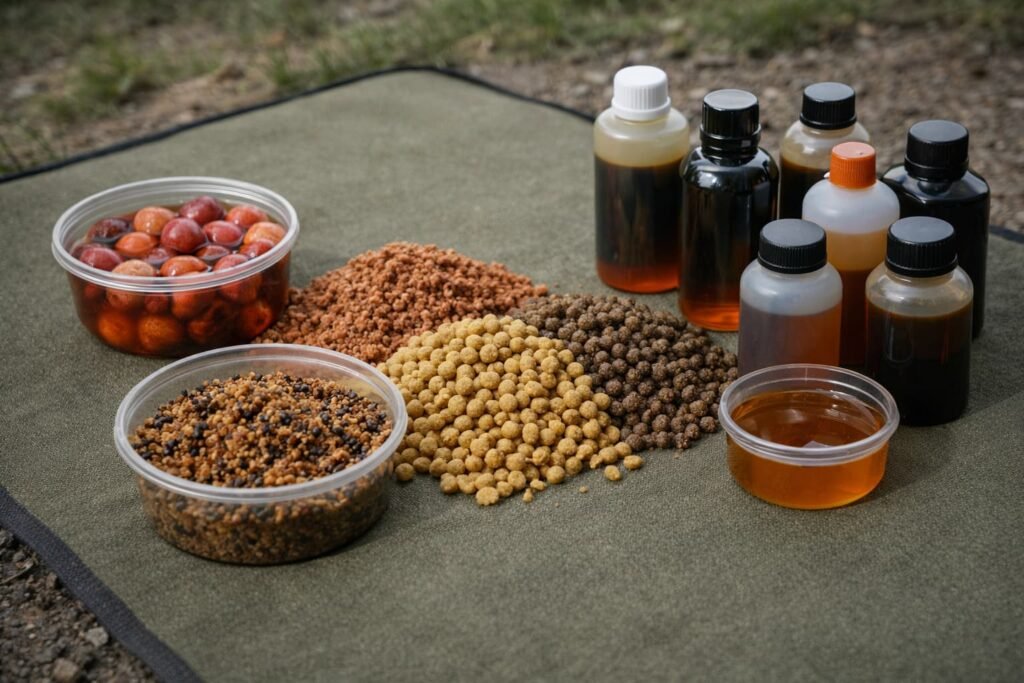
Hookbaits
This is one of the best places to use them. A light fermented treatment can give a hookbait more life without wrecking its shape or presentation.
Crumb and Chopped Boilies
Very useful. Fermented liquids can help a small patch of crumb or chop feel more active and food-like, especially when you want a tight trap rather than a big bed of bait.
Pellet and Stick Mix Work
Again, useful when you want the bait to wake up quickly. Just make sure anything you use with PVA is actually PVA-friendly before you start soaking mixes.
Short Sessions
This is where fermented liquids often make a lot of sense. If you are trying to create a quick feeding chance rather than build a long campaign, they can help the bait get to work faster.
Cool Water
They can be very useful here, but only if used lightly and sensibly. In cooler water, I would rather see a neat, believable treatment than a heavy, sticky overload.
When They Make the Most Sense
Fermented bait liquids usually earn their place most clearly when:
- you are fishing short sessions
- you want a bait to wake up quickly
- you are using hookbaits, chop, crumb, or pellets rather than heavy baiting
- the bait needs a bit more food-signal life without being rebuilt
- you want something more believable than just another flavour hit
Michigan Notes
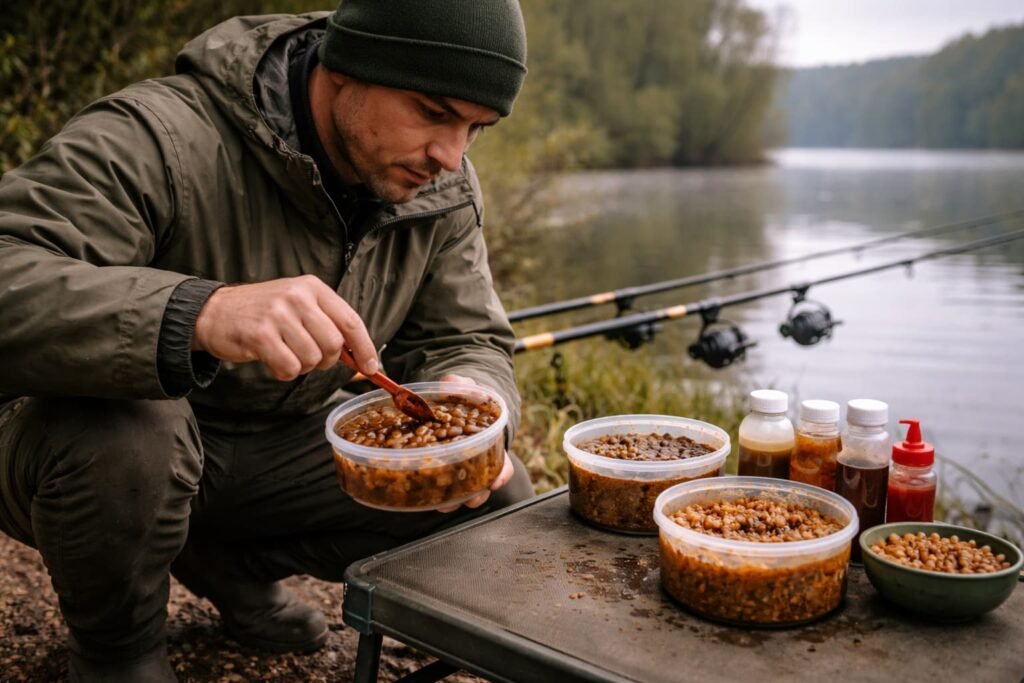
On Michigan waters, fermented liquids often make the most sense when fish are moving, feeding windows are short, and the bait needs to do a bit more work without becoming too rich or too complicated. Cold spring water, natural-food-rich lakes, zebra mussels, and big open water all push you toward cleaner, more believable baiting rather than heavy, overdone bait.
That is why a light fermented treatment on a hookbait, a small crumb mix, or a neat patch of chopped bait can often make more sense than trying to flood the swim with rich feed.
Used properly, fermented liquids can help you create a sharper little trap. Used badly, they just make bait messy.
Common Mistakes
- Using fermented liquids as a substitute for finding fish.
- Pouring too much liquid on the bait.
- Using three different liquids at once and learning nothing.
- Assuming every fermented product does the same job.
- Trying to rescue a poor base bait instead of improving a decent one.
- Ignoring presentation and hookbait behaviour.
- Thinking stronger smell automatically means better bait.
FAQ
Are fermented bait liquids worth using?
Yes, when they fit the job. They can improve food signal, leakage, and bait life, especially on hookbaits and light bait applications. They are most useful when used as a sensible improvement, not as a miracle fix.
Are fermented liquids the same as hydrolysates?
No. They can overlap in practical use, but they are not the same thing. Fermented liquids and hydrolysates deserve comparing properly, not lumping together.
Do fermented bait liquids work best in cold water?
They can be very useful in cold water, especially when used lightly on hookbaits, crumb, or small baited patches. But they are not only for cold water. They can also be useful in warmer conditions when you want a lively outer signal.
Should I soak all my bait in fermented liquid?
No. Start light. It is usually better to sharpen part of the baiting approach than to swamp everything.
What is the best use for them?
Hookbaits, chopped boilies, crumb mixes, pellets, and short-session trap work are probably the cleanest starting points.
Next Steps
After this page, the best next reads depend on what you want to improve next.
- The Bait Shed — practical liquids, treatments, and workshop-style bait improvements.
- Bait Science — the deeper why behind food signals, leakage, and bait behaviour.
- Best Liquids for Carp Fishing in Cold Water — where liquids fit when the water is still cool.
- Tactics — connect bait choices back to watercraft and bank decisions.