
Spring Carp Bait Guide (Cold Water Tactics That Actually Work)
Spring carp fishing can be one of the most rewarding times of the year — but also one of the easiest to get wrong.
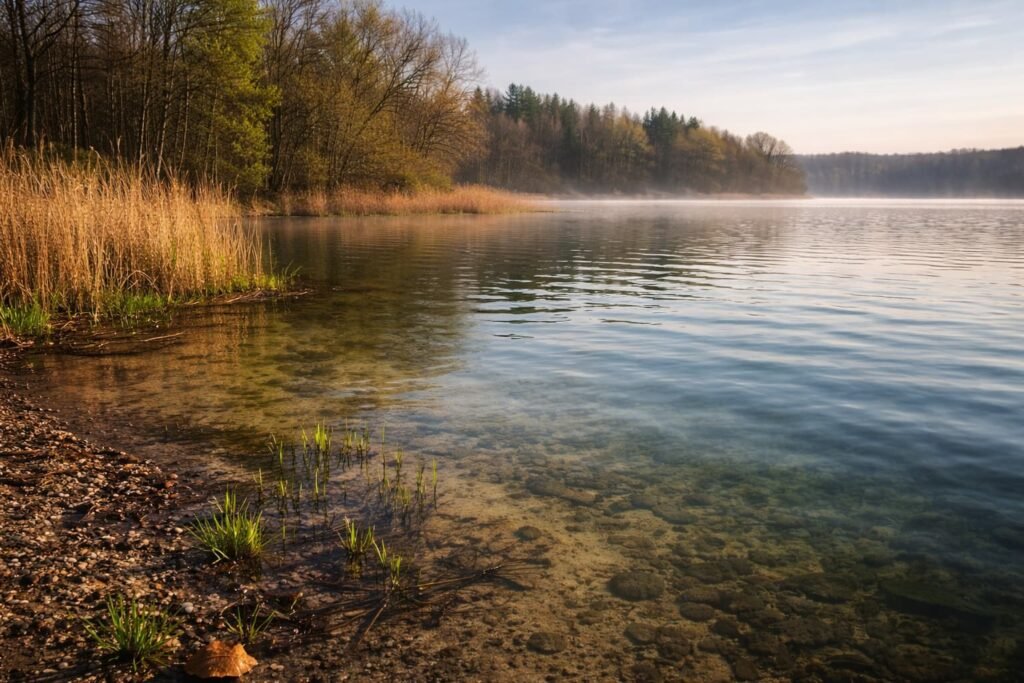
After a long winter, carp are waking up, moving more, and starting to feed again. But they are not yet in full summer mode. Their metabolism is still slow, and their feeding behaviour is cautious.
This is where many anglers struggle. They fish too heavy, use the wrong bait, or expect too much too soon.
Get it right, and spring can produce some of the best fishing of the year — including some of the biggest fish.
Quick Start
- Fish lighter than you think
- Use highly digestible bait
- Focus on location first
- Small baited areas work best
- Hookbait matters more than quantity
How Cold Water Changes Carp Feeding
In cold water (roughly below 55°F / 13°C), carp behave differently.
Their metabolism slows down, which means:
- they feed less often
- they digest food more slowly
- they are more selective
They are not trying to eat large amounts of food. They are looking for easy, safe feeding opportunities.
This is why heavy baiting often fails in spring.
The Best Types of Spring Carp Bait
Spring bait should be:
- easy to digest
- low to moderate in fat
- capable of leaking attraction quickly
Effective Options
Particles (corn, hemp, birdseed)
Simple, natural, and easy for carp to process. Excellent in spring.
Light boilies
Food-based boilies with good solubility work well — especially when used sparingly.
Pellets
Useful for adding attraction, but should be used carefully to avoid overfeeding.
Natural-style hookbaits
Balanced, subtle hookbaits often outperform bright or over-flavoured ones.
Why Digestibility Matters
In cold water, carp cannot process heavy, oily, or overly rich bait efficiently.
High-fat baits can:
- sit in the fish’s system longer
- reduce feeding frequency
- lower confidence
Lower-fat, more digestible bait allows carp to:
- feed more comfortably
- return more quickly
- build confidence
Fish Less Bait — But Better
Spring is not the time to introduce large beds of bait.
A better approach is:
- small, controlled baiting
- tight feeding areas
- strong hookbait focus
You are not trying to hold fish for hours.
You are trying to trigger a feeding response.
Location Is Everything in Spring
Carp in spring are strongly influenced by temperature.
They will seek out:
- shallow water that warms quickly
- sheltered bays
- areas protected from cold wind
These areas often hold the first real feeding activity of the year.
If you are not fishing where carp are, bait choice becomes irrelevant.
Sun vs Wind
Two major factors affect spring fishing:
Sun:
- warms shallow water
- increases carp activity
- often pulls fish into bays
Wind:
- can push warmer water
- can also bring in colder water depending on conditions
In early spring, sun-warmed water often beats wind — especially on calmer days.
Hookbait Approach
Your hookbait is critical in spring.
It should be:
- easy to pick up
- natural in appearance
- leaking attraction
Balanced or slightly buoyant hookbaits often work well because they:
- sit naturally
- move easily when fish feed
- improve hooking efficiency
This is where a well-made hookbait can make a big difference.
Feeding Windows Are Short
Spring feeding periods are often limited.
You may only get:
- a short feeding spell
- a brief window of activity
This means:
- being in the right place matters more
- overbaiting can waste opportunities
When carp feed, they often feed quickly — then stop.
Michigan Notes
For your Northern Michigan fishing — especially late April:
- water temps are often in the 45–55°F range
- carp are just starting to move onto shallower areas
- natural food like bloodworm begins to become active
Key takeaways for your waters:
- shallow bays and margins are prime
- light baiting is far more effective than heavy baiting
- natural food-based bait works extremely well
Your milk-based boilie approach fits well here — especially if:
- used sparingly
- combined with particles
- supported by a strong hookbait
You do not need to introduce large amounts of bait to catch fish in these conditions.
Common Mistakes
- using too much bait too early
- fishing deep cold water when fish are shallow
- using heavy, oily bait
- ignoring temperature changes
- expecting summer-style feeding
FAQ
What is the best bait for spring carp?
Simple, digestible bait like particles and light boilies works best.
Should I use less bait in cold water?
Yes. Carp feed less, so overbaiting is a common problem.
Do carp feed in cold water?
Yes, but less frequently and more cautiously.
Is spring good for big carp?
Yes. Big fish often move early and can be caught with the right approach.
Next Steps
Build your full approach:
How Much Bait Should You Use for Carp?
Do Bigger Carp Feed Differently?
The Carp Bait Guide