

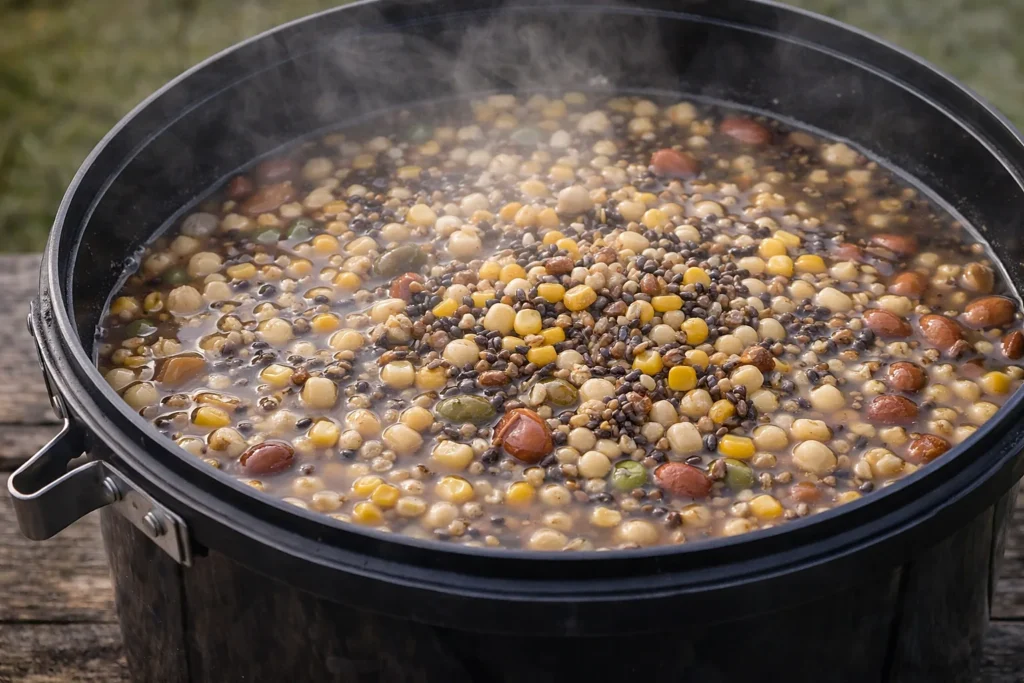
Boilies are named after boiling, so most anglers take the cooking stage for granted.
That is fair enough. Boiling sets the bait, firms the outside, makes it easier to handle, and gives you something practical to fish with. But once you start looking at bait ingredients properly, one question comes up very quickly:
What exactly is the heat doing to everything in the mix?
That is where things get interesting.
Because boiling does not just “finish” the bait. It changes it. Sometimes for the better. Sometimes for the worse. Sometimes it helps one part of the mix while quietly damaging another. That is why a bait that looks brilliant on paper can come out of the pan a lot less clever than it sounded when you were dry-mixing it.
This matters more than many anglers realise.
A short boil can help with texture, rolling, and skin formation. Too much heat can reduce solubility, harden the bait too much, dull certain food signals, damage delicate additives, and wipe out much of the point of using some specialist ingredients in the first place.
That does not mean boiling is bad. It means boiling is a trade-off.
The better bait maker understands that trade-off and builds the recipe around it.
If you have been following the bait science series, this article fits directly with Do Enzymes and Phytase Really Improve Carp Bait?, Anti-Nutritional Factors in Carp Bait Ingredients, and The Science of Fermented and Food-Signal Baits. It also belongs alongside Boilie School, Base Ingredients, the Bait Shed, and the Guide to Liquids and Glugs.
Quick Start
- Boiling sets the bait, firms the outer skin, and makes the finished boilie practical to use.
- Heat can improve some ingredients but damage others.
- Delicate liquids, enzymes, some amino-rich additives, and certain food-signal compounds are often better added after boiling, not before.
- Over-boiling usually reduces leakage and can make bait tougher, duller, and less active.
- Harder is not always better. A bait still needs to leak useful food information.
- The more “specialist” the additive, the more you should ask whether it survives the cooking stage.
- In Michigan fishing, where short sessions, cool water, and big natural waters matter, an active bait often beats an overcooked one.
Why boiling exists in the first place
Before getting into what heat damages, it is worth being fair about why we boil bait at all.
Boiling does several useful jobs:
- it sets the outside of the bait
- it helps hold shape
- it creates a firmer skin
- it improves handling
- it makes the bait more durable for baiting and casting
- it stabilises the finished boilie compared with raw paste
Without some kind of cooking or setting stage, plenty of boilie mixes would be awkward to use. They would split, deform, wash out too quickly, or simply not behave like a proper bait.
So the question is not whether boiling belongs in boilie making.
It does.
The better question is this: how much boiling do you really need, and what are you sacrificing when you do it?
That is where more thoughtful bait making begins.
Heat Is Not Neutral
This is the first big point.
Heat is not neutral.
Once the bait hits boiling water, the ingredients do not just sit there politely waiting for the outside to set. Proteins change shape. Starches gel. liquids move. surfaces tighten. volatile compounds shift. delicate materials begin to break down or thin out. some active compounds survive well. others do not.
That means every boiled bait is a compromise between:
- structure
- toughness
- leakage
- solubility
- digestibility
- ingredient survival
- practical use on the bank
That compromise is different depending on the mix.
A simple, cheap birdfood bait may survive the boil quite happily. A refined food bait loaded with delicate liquid foods, active powders, enzymes, and soluble cues may lose a lot more than the angler expects.
This is why “just boil it for a couple of minutes” is not always a serious bait-making answer.
What heat generally helps
Boiling is not the villain. It does improve some parts of the bait.
Protein setting and binding
Egg albumen and other binding proteins respond well to heat. They help the bait tighten up and hold together.
This is one reason eggs remain so useful in boilie making. They give structure, not just moisture.
Starch gelatinisation
Many cereal and flour-based ingredients benefit from heat because starches swell and gelatinise. That can improve the body of the bait, help binding, and make the finished texture more uniform.
This is particularly relevant in semolina, wheat-based materials, maize products, and other common base-mix ingredients.
Outer skin formation
A short boil creates a useful skin on the bait. That helps with:
- casting strength
- nuisance-fish resistance
- durability
- practical baiting
A bait with no real skin can be too fragile for normal carp use.
Reduced rawness in some ingredients
Some plant-side materials are better for some heat processing. This links directly with Anti-Nutritional Factors in Carp Bait Ingredients. Certain raw plant ingredients are not improved by staying raw. In some cases, heat is part of making them more practical and less problematic.
So yes, boiling has a place.
The trouble starts when anglers assume more boiling means more benefit.
Usually it does not.
What heat often damages or reduces
This is where bait makers need to pay closer attention.
Enzymes
This is the obvious one.
Enzymes need the right conditions to stay active. Once you boil them, much of that activity is reduced sharply or destroyed. That is why the article Do Enzymes and Phytase Really Improve Carp Bait? matters so much.
If the whole point of the ingredient was active enzymatic work, boiling may remove most of the advantage.
That does not make the ingredient useless in all forms. It means its best use may be:
- pre-treatment
- paste
- post-boil coating
- rehydration
- short-life bait work
Not simply dry-mix, boil, and hope.
Delicate food-signal liquids
Some of the best food liquids are useful because they are active, soluble, and information-rich. When exposed to heat, they can lose sharpness, volatility, or some of the edge that made them worthwhile.
This is why many better bait makers prefer some liquids inside the mix and some outside it.
That is also why The Science of Fermented and Food-Signal Baits and the Guide to Liquids and Glugs fit so naturally with this topic. A lot of good bait work happens after the boil, not only before it.
Some amino-rich and soluble additives
Not every amino source is destroyed by heat, but some delicate amino-rich materials, hydrolysates, fermentation-derived fractions, and specialist soluble powders can lose part of their usefulness when boiled hard for too long.
This is especially true when the goal is rapid food-signal leakage rather than just bulk nutrition.
Volatile compounds
Some flavours, essential oils, and other volatile components can be driven off or softened by heat. Again, that does not mean all flavouring is pointless in the mix. It means the cooking stage changes the result.
The finished smell from the dry bait is not always a true guide to how much useful signal survived.
Solubility itself
This is the part many anglers miss.
Even if an ingredient “survives” the boil in a technical sense, the finished bait can still be less useful because the outer skin tightens, the structure firms, and leakage slows down. That alone can dull a bait that looked much more active in paste form.
This is one reason over-boiled baits often feel dead.
The outer skin problem
A skin is useful. Too much skin is not.
A short boil gives you a protective outer layer. But when the bait is boiled too long, that outer layer can become a barrier. Instead of helping the bait, it starts slowing down the very leakage you wanted in the first place.
That matters with:
- soluble ingredients
- food liquids
- milk proteins
- fine active powders
- hydrolysates
- treated hookbait systems
A bait that is too sealed can become slow, stubborn, and muted.
That may still be acceptable in some situations. For example, on nuisance waters or where you need durability above all else. But in many Michigan situations, especially short sessions or cool-water work, too much skin is a mistake.
Heat, time, and bait size all matter
Not all boiling is equal.
A small 12 mm bait and a dense 24 mm bait do not need the same treatment. Nor does a coarse open-textured mix behave like a tight refined one.
Three things matter a great deal:
1. Boil time
This is the big lever.
Even small extra amounts of boil time can change the finished bait more than anglers think. A bait that is just set is very different from a bait that has been hammered.
2. Bait diameter
Larger baits need a little more time to set properly. But that does not mean they want punishing heat for ages. It means you need enough heat to do the job, no more.
3. Mix structure
A birdfood-rich open mix can still leak fairly well after boiling. A dense, protein-heavy, tightly bound mix can become much more locked up if overdone.
That is why recipe design and boil time must match each other.
Hardness is not the same as quality
This is worth saying plainly.
A hard bait is not automatically a good bait.
Many anglers still judge a boilie by how “proper” and durable it feels in the hand. But a bait can be beautifully round, hard as a marble, and almost lifeless in the water.
That is not always what you want.
A good bait should match the job. Sometimes that means firm and durable. Sometimes it means softer, more open, and quicker to start working.
The smartest bait makers are not chasing hardness for its own sake. They are chasing the right balance between:
- handling
- durability
- attraction
- food signal
- digestion
- washout speed
That is a better way to think than “the harder the better.”
What this means for specialist additives
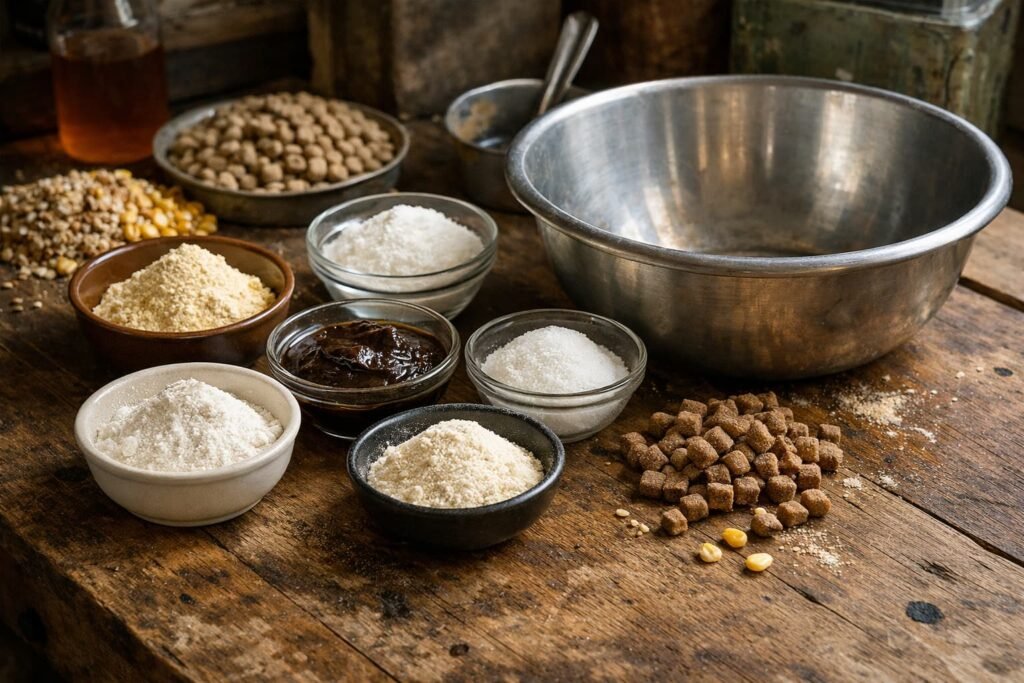
The more specialist the ingredient, the more you should question whether it belongs inside the boil stage.
This applies especially to:
- enzymes
- phytase treatments
- delicate fermentation products
- certain hydrolysates
- some soluble amino products
- some sweeteners and flavour systems
- certain probiotic-style or live-style concepts
If you are paying premium money for a delicate effect, you should ask whether the cooking stage removes most of the reason for using it.
Often, the answer is yes.
This is why post-boil thinking matters so much.
The case for post-boil treatment
This is one of the biggest upgrades most homemade bait makers can make.
Not every useful ingredient belongs in the paste.
Sometimes the best place for it is after the bait has already been cooked and dried a little. That allows you to:
- protect delicate additives from heat
- build a more active outer layer
- reintroduce soluble food signal
- sharpen hookbaits without redesigning the whole base mix
This is where the Guide to Liquids and Glugs becomes practical rather than decorative.
A proper post-boil treatment can:
- make a hookbait more active
- add food signal back to the outside of the bait
- give a boiled bait some of the liveliness it lost in the pan
- help a firmer bait start working sooner
This is especially useful on hookbaits, matching freebies, and short-session bait.
Paste versus boilies
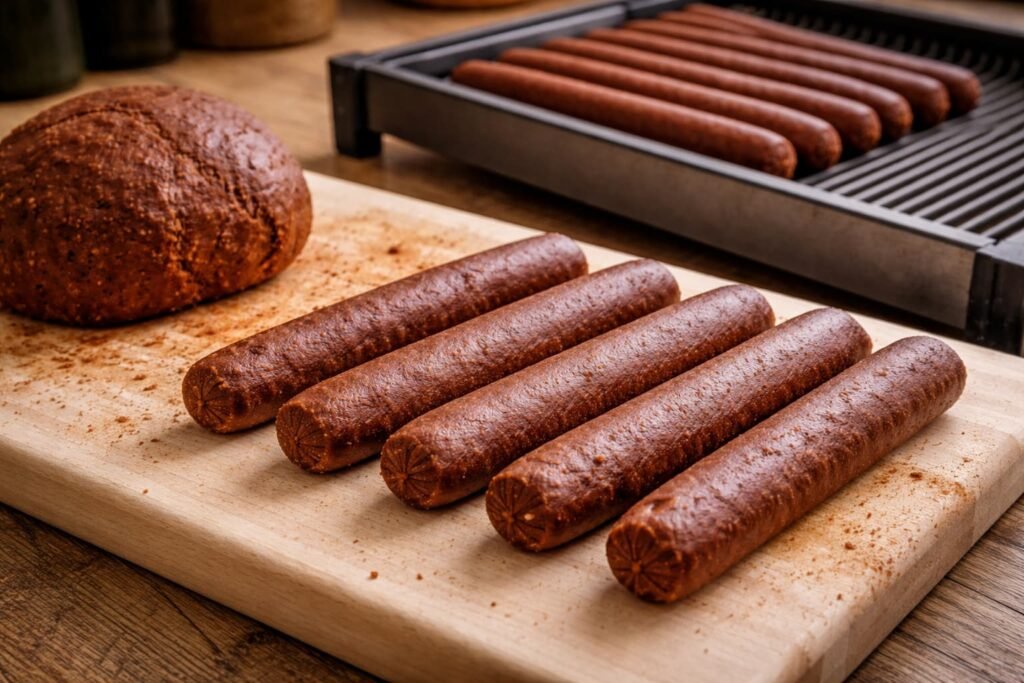
Paste is the cleanest way to understand what heat changes.
Paste is raw, soft, active, and immediate. It leaks quickly. It gives up signal fast. It has almost no protective barrier.
Boilies are tougher, more controlled, easier to use, and more durable. But they are also more processed.
So the real question is not which is better in all situations. It is what you want the bait to do.
If you want:
- maximum activity
- fast signal
- short-session response
- delicate additive survival
then paste has real advantages.
If you want:
- casting strength
- nuisance resistance
- easy baiting
- consistency
- longer handling life
then boilies still make obvious sense.
Many good anglers end up using both ideas together. Boiled bait for practicality, plus paste or post-boil treatment for added life.
What boiling does to digestibility
This needs a balanced answer.
Boiling does not automatically ruin digestibility. In some ingredients, moderate heat is part of making them more useful. But heavy cooking and over-firming can make the finished bait slower and less open than it needs to be.
Digestibility is really about the whole picture:
- the ingredients used
- how raw or processed they were to begin with
- whether anti-nutritional issues were addressed
- how tight the finished bait becomes
- how easily water can move through it
- how much of the soluble fraction can escape
So heat affects digestibility both directly and indirectly.
It does not only matter what the nutrient “is.” It matters how available and usable it remains in the finished bait.
That is one reason Base Ingredients and Anti-Nutritional Factors in Carp Bait Ingredients still sit underneath this whole conversation.
What this means for homemade bait design
This is the practical heart of it.
When building your own bait, you should divide ingredients into three rough groups:
Group 1: ingredients that cope well with boiling
These are doing structural work, binding work, bulk work, or broad nutritional work.
Group 2: ingredients that survive somewhat but may lose edge
These can still be useful in the mix, but the finished bait may be less active than the same materials would be in paste or post-boil form.
Group 3: ingredients that often make more sense after the boil
These are the delicate, specialist, or highly active materials that you are using for surface effect, food signal, enzyme action, or rapid recognition.
That one distinction alone improves bait making enormously.
Because once you start separating “base mix ingredients” from “post-boil finishing ingredients,” the whole process becomes more sensible.
A better way to think about boil time
Most anglers would improve their bait by asking one question:
What is the shortest boil that still gives me the bait I need?
That is a much better question than:
How long can I cook this to make it hard?
You want enough heat to:
- set the bait
- hold the shape
- survive casting and baiting
- behave properly in use
Beyond that, extra time should need a reason.
If there is no reason, it is often just robbing the bait of life.
Michigan Notes
This subject matters a lot on Michigan waters.
Many of our carp situations are not little day-ticket puddles where you can get away with brute-force bait. We deal with:
- big open water
- natural food
- temperature swings
- cool spring conditions
- short feeding windows
- fish that often respond better to believable food than to overcooked cannonballs
That means a lively bait often matters more than a bulletproof one.
On a large Michigan lake, especially in spring or early summer, I would usually rather have a bait that starts working properly than one that looks perfect in a tackle box but leaks very little. That links well with Spring Carp Fishing in Michigan.
A few practical Michigan takeaways:
- do not overcook active bait mixes
- use post-boil liquids where they make sense
- keep hookbaits lively, not just hard
- match boil time to bait size and mix density
- remember that on big natural waters, believable food often beats lifeless presentation
If you are trying to create a serious food bait for Michigan carp, the goal is not maximum hardness. The goal is controlled practicality without killing the signal.
Common Mistakes
Mistake 1: Treating all ingredients as if they enjoy boiling equally
They do not.
Some ingredients cope well. Some lose edge. Some should really be used after boiling.
Mistake 2: Over-boiling for confidence
This is probably the most common homemade error. Anglers boil too long because a hard bait feels reassuring.
Mistake 3: Using delicate additives in the mix without asking if they survive
Classic mistake with enzymes, active food liquids, and certain specialist powders.
Mistake 4: Forgetting the outer skin changes leakage
A skin is useful until it becomes a barrier.
Mistake 5: Judging the finished bait only in the hand
A bait can feel lovely in the fingers and still be too sealed, too hard, or too muted in the water.
Mistake 6: Ignoring post-boil treatment
Many of the best food-signal improvements happen after cooking, not before.
FAQ
Does boiling destroy all the goodness in a boilie?
No, not all of it. But it does change the bait, and some delicate ingredients lose more than others. The point is not to fear boiling, but to understand what it costs.
Does longer boiling make a better carp bait?
Usually not. Longer boiling mostly makes a bait firmer and less active. Sometimes that is useful, but often it is just overdoing it.
What ingredients are most vulnerable to heat?
Generally, delicate enzymes, some active food-signal materials, certain soluble additives, and some volatile compounds are the first things to question.
Should I add liquids before or after boiling?
Both approaches can work, depending on the liquid. Broad nutritional liquids may still have a place in the mix, but more delicate or specialist food-signal liquids are often better used after boiling.
Is paste better than boilies?
Not in every situation. Paste is more active and immediate. Boilies are more practical and durable. A combination often works best.
How do I stop my bait becoming too dead after boiling?
Use sensible boil times, match the cooking to the mix, avoid over-hardening, and use post-boil treatment where needed.
Next Steps
Read Do Enzymes and Phytase Really Improve Carp Bait? to understand why heat matters so much with specialist additives.
Read Anti-Nutritional Factors in Carp Bait Ingredients to see which ingredients need proper processing before they ever reach the pan.
Read The Science of Fermented and Food-Signal Baits to understand how active bait signal can be dulled or preserved.
Work through Boilie School for more practical boilie-building steps.
Study Base Ingredients so you know which ingredients belong in the base mix and which are better saved for later treatment.
Use the Guide to Liquids and Glugs to add life back into hookbaits and freebies after the boil.
Visit the Bait Shed for more practical bait-prep ideas and testing.